
Credit Cards · RBI Rules
RBI Credit Card Billing Rules: Your Rights Explained
A plain-language summary of the RBI directions that protect you on billing, charges, closure and complaints, and how to use them.
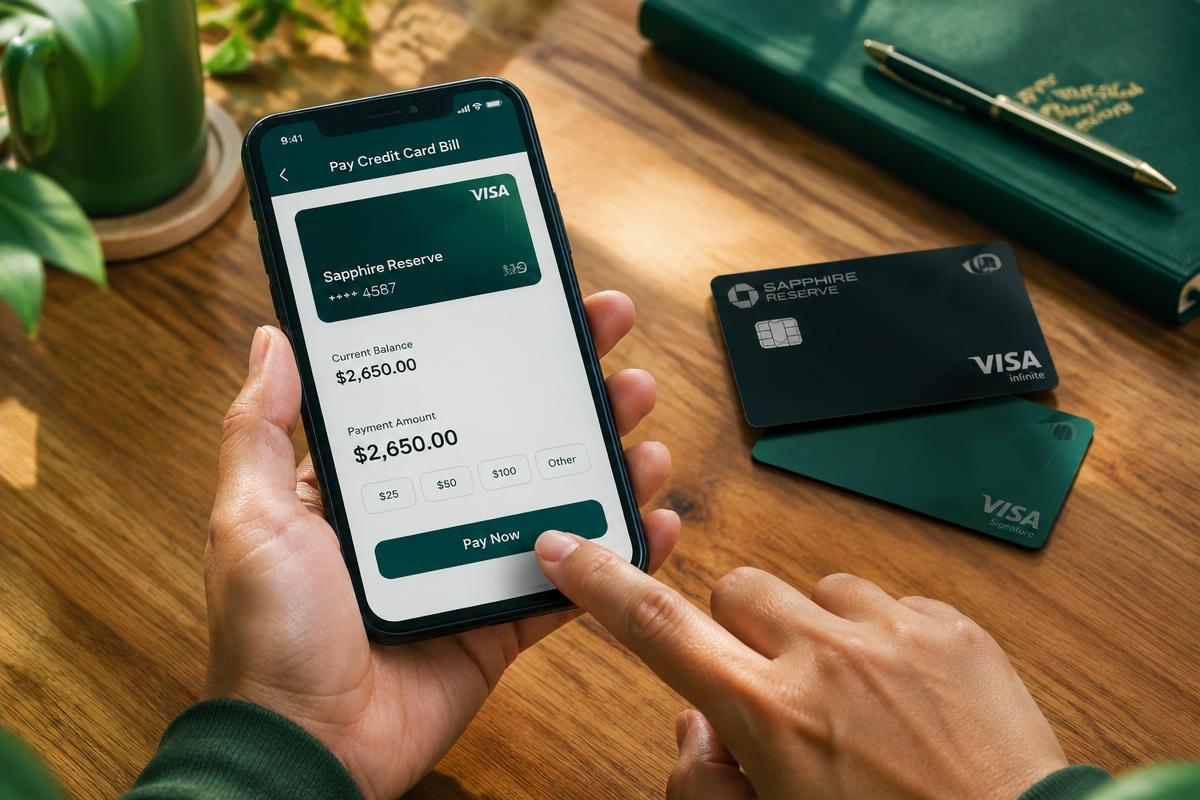
Credit cards in India are governed by the Reserve Bank of India's Master Direction on credit and debit card issuance and conduct. It sets out how issuers must bill you, what they can charge, how they must handle disputes and how quickly they must close a card when you ask.
This article summarises the parts most card holders need, in plain language. It is general information, not legal advice. The official direction is long and is updated from time to time, so we link to it so you can read the current text yourself.
Billing statements and accuracy
Issuers must ensure that there is no delay in sending or emailing bills and that card holders get enough time to pay before interest begins. They must also ensure that wrong bills are not raised. If you dispute a bill, the issuer has to provide an explanation and, where applicable, documentary evidence within a set time.
Practically, this means you should read every statement and raise any wrong transaction promptly through the issuer's official channels, keeping a record of the complaint number.
Minimum due, late fees and interest
Several rules protect you from charges growing unfairly.
- Late payment charges can be levied only when payment is overdue for more than three days after the due date
- The minimum amount due should be calculated so that it does not lead to negative amortisation
- Unpaid charges, levies and taxes are not to be capitalised for charging interest
- Card holders must be informed of changes in charges in advance
What this means for you
These rules limit how charges compound, but they do not make revolving a balance cheap. The safest approach remains paying the total amount due by the due date.
Changing your billing cycle
Card holders are allowed to modify their billing cycle as per their convenience, through the issuer's available channels. If your income arrives at a particular time of the month, aligning the due date with it is one of the easiest ways to avoid missed payments.
Unsolicited cards, limits and card closure
Issuers are not permitted to issue cards or upgrade them without the customer's explicit consent, and credit limits cannot be increased without your consent either. If a card is issued without consent and billed, the issuer must reverse the charges and may face a penalty.
When you ask to close a card, the issuer must process the request within the time set in the directions, provided all dues are cleared, and confirm the closure to you. Delays beyond that time can make the issuer liable to pay a penalty to the customer.
Recovery agents and third parties
Issuers remain responsible for the conduct of their agents, including recovery agents. They are expected to follow a code of conduct and must not use intimidation or harassment.
Equally, you should share your card details only through your issuer's official channels. Never share your card PIN, CVV or OTP with anyone, including people who say they represent a bank or a service provider.
A practical checklist based on these rules
Rules help only when you use them. Each month, compare your statement with your own records, confirm that any change in fees was communicated in advance, and make sure you have not been charged a late fee for a payment made within the permitted window.
Once a year, review whether every card you hold is still useful. If a card has an annual fee you no longer want to pay, clear the dues and ask the issuer to close it through official channels, and keep the closure confirmation for your records. Check that the closure is reflected in your credit report after the issuer updates the bureaus.
- Read every statement and question unknown transactions quickly
- Confirm changes in charges were notified to you
- Check that late fees respect the three-day rule
- Keep written confirmations of disputes and closures
How to complain if something goes wrong
If you have an issue with your card, follow these steps in order.
Step 1: Complain to the issuer
Use the issuer's official customer care, email or app, and note the complaint reference number. Keep copies of statements and payment receipts.
Step 2: Escalate within the bank
If you do not get a satisfactory reply, escalate to the issuer's grievance redressal or nodal officer, whose details are published on the issuer's website.
Step 3: Approach the RBI Ombudsman
If the complaint is not resolved within the period specified by the RBI, or you are not satisfied with the reply, you can file a complaint under the RBI's Integrated Ombudsman Scheme through the RBI's online complaint portal.
In summary
RBI rules give card holders real protections: fair billing, limits on how charges compound, consent for new cards and limits, timely closure and a clear complaint path. Knowing them helps you ask the right questions when something on your statement looks wrong.
If you want help reading a statement or preparing the documents for a dispute with your issuer, our Indore team can guide you. Decisions on disputes and charges always remain with your issuer and, if needed, the Ombudsman.
Frequently asked questions
Which RBI rules apply to credit card billing?
The RBI Master Direction on Credit Card and Debit Card Issuance and Conduct sets the main rules for billing, charges, disputes and closure. It is available on the RBI website.
Can a bank charge a late fee one day after the due date?
Under RBI directions, late payment charges can be levied only when payment is overdue for more than three days after the due date.
Can a bank increase my credit limit without asking?
No. RBI directions require the card holder's explicit consent for increasing the credit limit.
Where do I complain if my bank does not resolve my credit card issue?
First complain to the issuer and escalate to its grievance officer. If unresolved, you can file a complaint with the RBI Ombudsman through the RBI's online complaint management system.
Helpful pages on this site
- Credit card assistanceCompare cards, check eligibility and get help with your application.
- All credit card & finance guidesBrowse every article on card bills, CIBIL, Gold Loan Closer and property.
- Talk to our Indore teamCall, WhatsApp or visit our Vijay Nagar office for a free consultation.
- About SR CREDIT CARDS SOLUTIONWho we are, how we work and what we can and cannot promise.
Official sources
About the author
SR Editorial Team · Credit card & finance desk
The editorial desk at SR CREDIT CARDS SOLUTION, Vijay Nagar, Indore, writing practical guidance drawn from everyday customer conversations.
Serving Indore, Madhya Pradesh.
This article provides general information only. Product approval, eligibility, rates and property decisions remain subject to the relevant institution, owner, and independent professional checks.
Related articles
Credit Cards
Credit Card Due Date and Grace Period Explained
The three dates on every card statement, how the interest-free period is actually calculated, and what the RBI's three-day window does and does not protect.
Read articleCredit Cards
Are Credit Card Bill Payment Services Safe?
What a genuine bill payment service or assistance desk does, which payment channels are official, and the warning signs that mean you should walk away.
Read articleCredit Cards
How to Avoid Credit Card Late Fees and Interest Charges
A step-by-step routine for never paying a late fee again, and an honest plan for the months when paying in full is not possible.
Read article