
Credit Cards · Late Fees
How to Avoid Credit Card Late Fees and Interest Charges
A step-by-step routine for never paying a late fee again, and an honest plan for the months when paying in full is not possible.
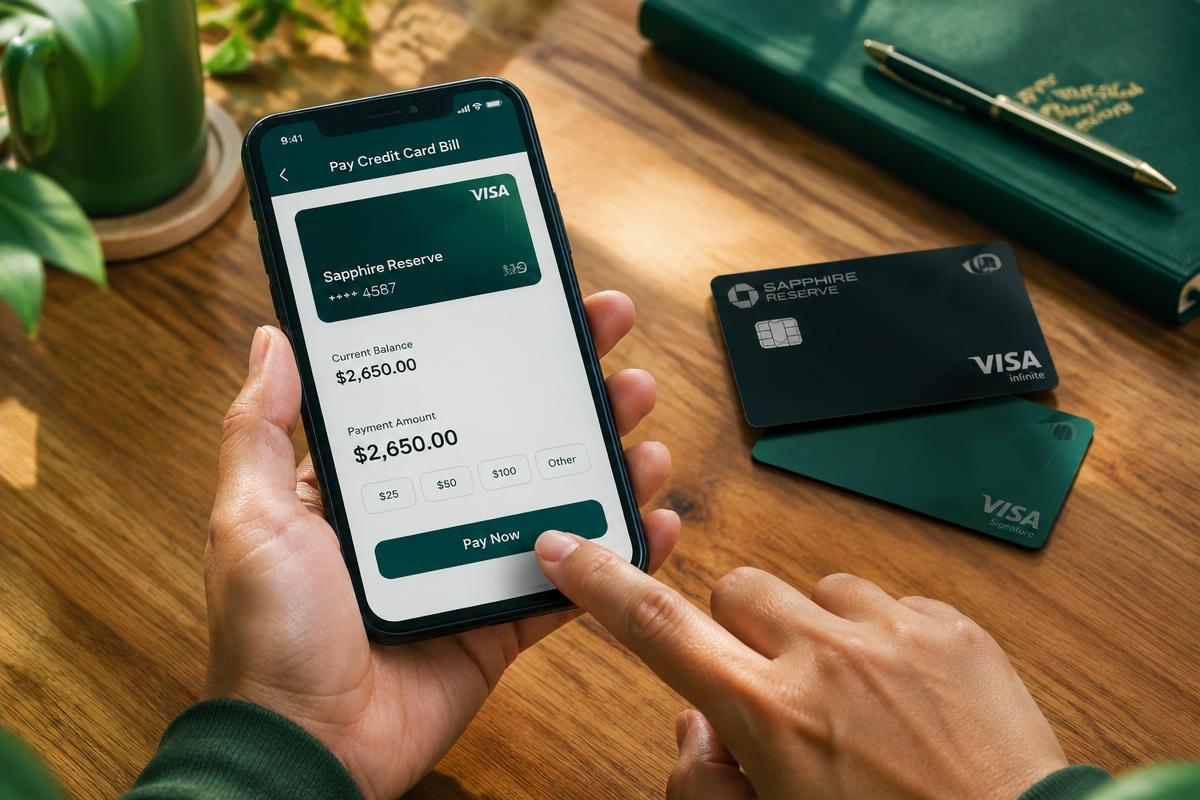
Late fees and interest are the two charges that turn a convenient credit card into an expensive one. The good news is that both are almost entirely avoidable with a simple routine, and neither requires any special product or service.
This guide explains where these charges come from, a monthly routine that prevents them, and what to do in a month when you genuinely cannot pay the full bill. It does not quote fee amounts, because those differ by issuer and card; always check your own card's schedule of charges.
Where late fees and interest come from
A late payment fee is charged when you fail to pay at least the minimum amount due by the due date, subject to the three-day rule in RBI directions. The fee usually depends on the size of your outstanding balance, so a larger unpaid bill can mean a larger fee.
Interest, often called finance charges, is different. It applies when you do not pay the total amount due in full. It is usually calculated from each transaction's date and continues until the balance is cleared. Cash withdrawals made with a credit card typically attract interest from the day of withdrawal, plus a separate fee.
- Late fee: triggered by missing the minimum due
- Interest: triggered by paying less than the total due
- Cash advance charges: usually apply from day one
A five-step monthly routine that prevents both
The routine below takes about ten minutes a month per card.
1. Set up auto-debit as a safety net
Ask your issuer to auto-debit at least the minimum amount due from your savings account. Ideally set it to the total amount due. Auto-debit ensures that a busy week never turns into a late fee.
2. Read the statement the day it arrives
Check every transaction, note the total due and the due date, and flag anything you do not recognise. Reporting a disputed transaction early is much easier than reporting it late.
3. Pay a few days early
Choose a channel that credits quickly and pay two or three days before the due date. This protects you from weekends, holidays and bank cut-off times.
4. Confirm the payment has posted
Look for the reduced outstanding balance in your issuer app. Keep the payment reference until it shows up.
5. Keep spending within what you can repay
The simplest rule is to treat the card like a debit card with a delay: only spend what is already in your account or arriving before the due date.
Why paying only the minimum due is costly
The minimum amount due keeps your account from being marked late, but it does not stop interest. If you keep paying only the minimum, the balance shrinks slowly while interest keeps accruing, and new purchases can also start attracting interest.
RBI directions require that the minimum amount due be calculated so that it does not result in negative amortisation, meaning your balance should not grow simply because you paid the minimum. Even so, the total cost over time can be high. Pay as much above the minimum as you possibly can.
What to do in a month when you cannot pay in full
Everyone has a tight month at some point. The worst response is to ignore the bill. The better response is to pay at least the minimum on time and plan to clear the rest quickly.
Talk to your issuer early
Many issuers offer options such as converting a large purchase or the outstanding amount into EMIs. These carry their own interest and charges, so ask for the full cost in writing and compare it with simply paying the balance down over a few weeks.
Avoid borrowing from one card to pay another
Using cash withdrawals or informal card-to-cash arrangements to pay a bill usually adds fees and interest on top of the original problem. It can also expose you to unregulated operators. Use only official channels offered by your bank or issuer.
Build a short repayment plan
List each card's balance and due date, stop new spending on the card with the highest cost, and direct every spare rupee to it. Our article on a monthly money plan for clearing card debt explains this step by step.
Check your statement for charges you did not expect
If a late fee or interest appears even though you paid on time, raise it with your issuer with the payment reference. Mistakes in posting dates do happen, and many issuers will review a charge when you can show the payment was made in time.
- Late payment fee
- Finance charges
- Cash advance fee
- Payment return charge
- GST on fees and charges
In summary
Late fees come from missing the minimum, and interest comes from not paying in full. Auto-debit, an early payment habit and a quick read of each statement prevent both. In a tight month, pay at least the minimum on time and speak to your issuer before the situation grows.
If you are managing several cards and want a second pair of eyes on your statements, our Indore team can help you understand the charges and organise a clear repayment calendar.
Frequently asked questions
How can I avoid credit card late fees?
Pay at least the minimum amount due before the due date, set up auto-debit as a safety net, and pay a few days early through a channel that credits quickly.
Does paying the minimum due stop interest?
No. Paying the minimum avoids a late fee, but interest usually applies on the remaining balance and can also apply to new purchases until the full balance is cleared.
Can a late fee be reversed?
Issuers decide this case by case. If you believe the fee was charged in error, contact the issuer with your payment reference. If your complaint is not resolved, the RBI's complaint system is available.
Is converting my bill into EMI a good idea?
It can help with a large one-time bill, but EMI conversion carries its own interest and charges. Ask your issuer for the full cost in writing before you agree.
Helpful pages on this site
- Credit card assistanceCompare cards, check eligibility and get help with your application.
- All credit card & finance guidesBrowse every article on card bills, CIBIL, Gold Loan Closer and property.
- Talk to our Indore teamCall, WhatsApp or visit our Vijay Nagar office for a free consultation.
Official sources
About the author
SR Editorial Team · Credit card & finance desk
The editorial desk at SR CREDIT CARDS SOLUTION, Vijay Nagar, Indore, writing practical guidance drawn from everyday customer conversations.
Serving Indore, Madhya Pradesh.
This article provides general information only. Product approval, eligibility, rates and property decisions remain subject to the relevant institution, owner, and independent professional checks.
Related articles
Credit Cards
Credit Card Due Date and Grace Period Explained
The three dates on every card statement, how the interest-free period is actually calculated, and what the RBI's three-day window does and does not protect.
Read article
Finance Tips
A Monthly Money Plan That Actually Clears Credit Card Debt
Simple ways to organise essential spending, repayments, reserves and flexible goals so balances actually fall.
Read articleCredit Cards
Improve Your CIBIL Score by Paying Card Bills on Time
What actually moves your credit score, why on-time card payments matter so much, and how to check and correct your credit report.
Read article