
Credit Cards · Safety
Are Credit Card Bill Payment Services Safe?
What a genuine bill payment service or assistance desk does, which payment channels are official, and the warning signs that mean you should walk away.
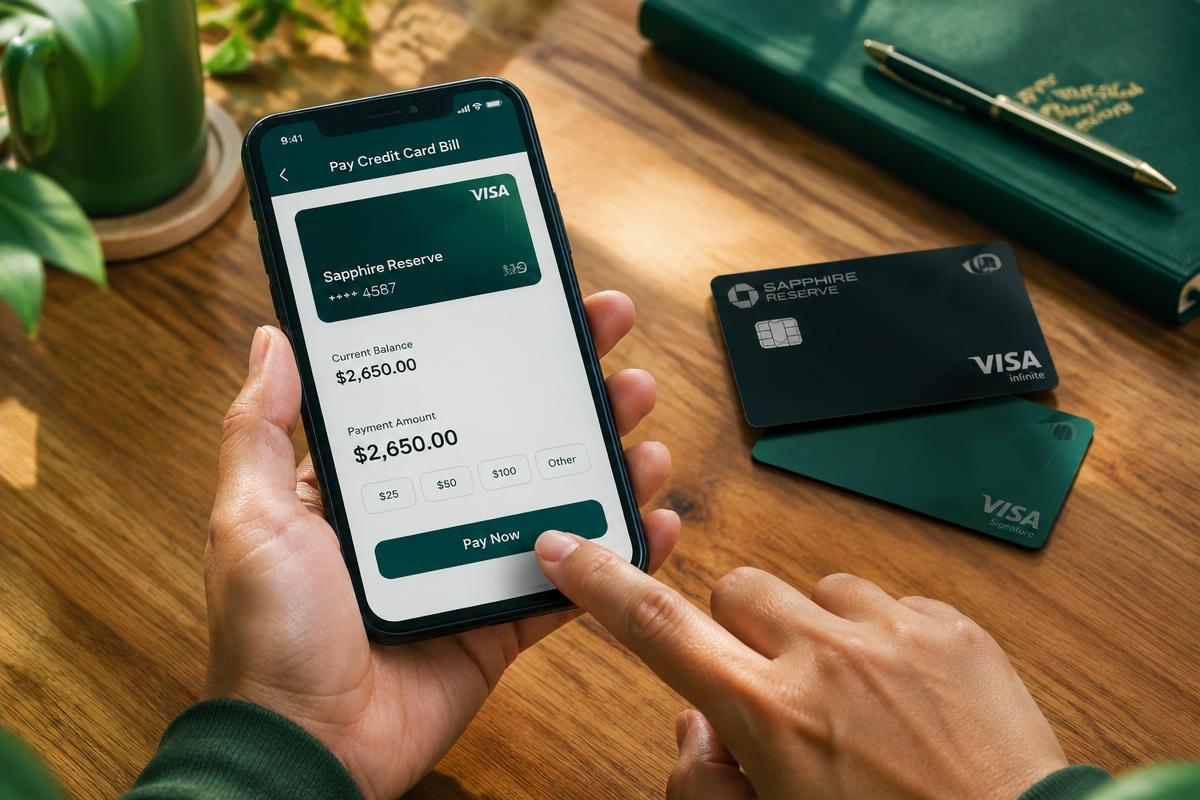
Search for credit card bill payment and you will find bank apps, payment apps, bill payment platforms and local assistance desks. Most are legitimate, but card-related fraud is real, and many people are unsure which options are safe.
This guide explains how bill payment services and assistance generally work, which channels are official, what a genuine assistance desk such as ours does and does not do, and the red flags that should make you stop. The goal is simple: your bill gets paid on time and your card details stay with you.
How credit card bill payment services work
Every payment ultimately has to reach your card issuer. You can pay directly through the issuer's net banking, app or branch, or through other channels that pass the payment on to the issuer, such as transfers using the card number, UPI where supported, or platforms connected to the Bharat Bill Payment System.
Bill payment platforms are a convenience layer. They take your payment and route it to the issuer. The time it takes for the payment to be credited depends on the channel, so close to the due date the issuer's own channels or near-instant methods are usually the safer choice.
- Issuer net banking and mobile app
- Auto-debit from your savings account
- Transfers that use the card number as the beneficiary, where the issuer supports it
- UPI and BBPS-connected platforms
What a genuine assistance desk does
Many card holders, particularly those with several cards, want help understanding statements, organising due dates and choosing the right channel. A genuine assistance desk helps with information and paperwork. It does not need your secrets.
What we help with
At SR CREDIT CARDS SOLUTION in Indore we help customers read statements, build a payment calendar across cards, understand charges and prepare documents for queries with their issuer. Payments are made by you through your own bank or card account.
What we will never ask for
We never ask for your card PIN, OTP or online banking password, and you should not share them with anyone. Approval, charges and final terms are always decided by your bank or issuer.
Red flags that mean you should walk away
Be careful if any service or caller does the following.
- Asks for your OTP, PIN, CVV or banking password
- Asks you to install a screen-sharing or remote-access app
- Promises to make your dues disappear or reduce them without the issuer's involvement
- Offers to convert your credit limit into cash through informal arrangements
- Pressures you to act immediately or threatens card blocking over a phone call
- Shares payment links from unknown numbers or unofficial websites
A quick checklist before you use any service
Before you use any app, website or local desk for help with card bills, run through a few checks. Is the business identifiable, with a real office address and contact details you can verify? Does it explain its role in writing, including what it charges, if anything, for its own services? Does it make clear that your issuer decides approvals, interest and fees?
For apps and websites, download only from official app stores or type the address yourself rather than following links in messages. After every payment, open your issuer's own app and confirm the outstanding amount has reduced. If the payment does not show within the time the channel states, contact the issuer with the payment reference.
- Verify the business address and contact details
- Ask what the service does and does not do, in writing
- Use only official apps and websites
- Confirm every payment in your issuer's app
Why card-to-cash schemes are risky
Some operators advertise ways to turn a credit limit into cash through fake or inflated merchant transactions. These arrangements can breach your card's terms, may attract high charges and interest, can put you at risk of fraud and can lead to the card being blocked. We do not offer or recommend them.
If you need funds, speak to your bank about regulated options and understand the full cost in writing. Our article on credit card to bank transfers explains what to check before using any such facility offered by your issuer.
If you suspect fraud
Act quickly. The faster you report, the better your chances of limiting the damage.
Immediate steps
Block the card through your issuer's app or official customer care, report the unauthorised transaction to the issuer and note the complaint number. You can also report cyber fraud on the national cyber crime helpline or portal.
Follow up
If the issuer does not resolve your complaint within the time specified by the RBI, you can escalate it to the RBI Ombudsman through the RBI's online complaint system. Report unregulated entities that accept deposits or promise unrealistic returns on the RBI's Sachet portal.
In summary
Credit card bill payment services are safe when the money moves through official channels and your secrets stay with you. A genuine assistance desk helps you understand and organise; it never needs your OTP, PIN or password, and it never promises shortcuts.
If you want help organising payments across several cards, visit our office in Vijay Nagar, Indore. We will explain your options in plain language and leave every payment decision with you and your bank.
Frequently asked questions
Is it safe to pay my credit card bill through a third-party app?
Established platforms that route payments through official systems are widely used. Check that the app is genuine, confirm the payment has been credited in your issuer's app, and allow time for crediting near the due date.
Should I share my OTP with a bill payment agent?
No. Never share your OTP, PIN, CVV or banking password with anyone, including people who claim to represent a bank or a payment service.
Does SR CREDIT CARDS SOLUTION offer card-to-cash services?
We provide guidance and documentation support only. We do not offer or recommend informal card-to-cash arrangements, and all payments are made by you through your own bank or card account.
What should I do if I see a transaction I did not make?
Block the card immediately through official channels, report it to your issuer and keep the complaint number. If unresolved, escalate to the RBI Ombudsman.
Helpful pages on this site
- Credit card assistanceCompare cards, check eligibility and get help with your application.
- All credit card & finance guidesBrowse every article on card bills, CIBIL, Gold Loan Closer and property.
- About SR CREDIT CARDS SOLUTIONWho we are, how we work and what we can and cannot promise.
- Talk to our Indore teamCall, WhatsApp or visit our Vijay Nagar office for a free consultation.
Official sources
About the author
SR Editorial Team · Credit card & finance desk
The editorial desk at SR CREDIT CARDS SOLUTION, Vijay Nagar, Indore, writing practical guidance drawn from everyday customer conversations.
Serving Indore, Madhya Pradesh.
This article provides general information only. Product approval, eligibility, rates and property decisions remain subject to the relevant institution, owner, and independent professional checks.
Related articles
Credit Cards
Credit Card Bill Payment in Indore: A Complete, Practical Guide
Every payment route for a credit card bill, what each one costs you in time and money, and how to avoid the minimum-due trap.
Read articleCredit Cards
Credit Card to Bank Account Transfers: What to Know Before You Do It
The real cost of moving money from a card to a bank account, and the safer options worth checking first.
Read articleCredit Cards
RBI Credit Card Billing Rules: Your Rights Explained
A plain-language summary of the RBI directions that protect you on billing, charges, closure and complaints, and how to use them.
Read article