
Credit Cards · Due Dates
Credit Card Due Date and Grace Period Explained
The three dates on every card statement, how the interest-free period is actually calculated, and what the RBI's three-day window does and does not protect.
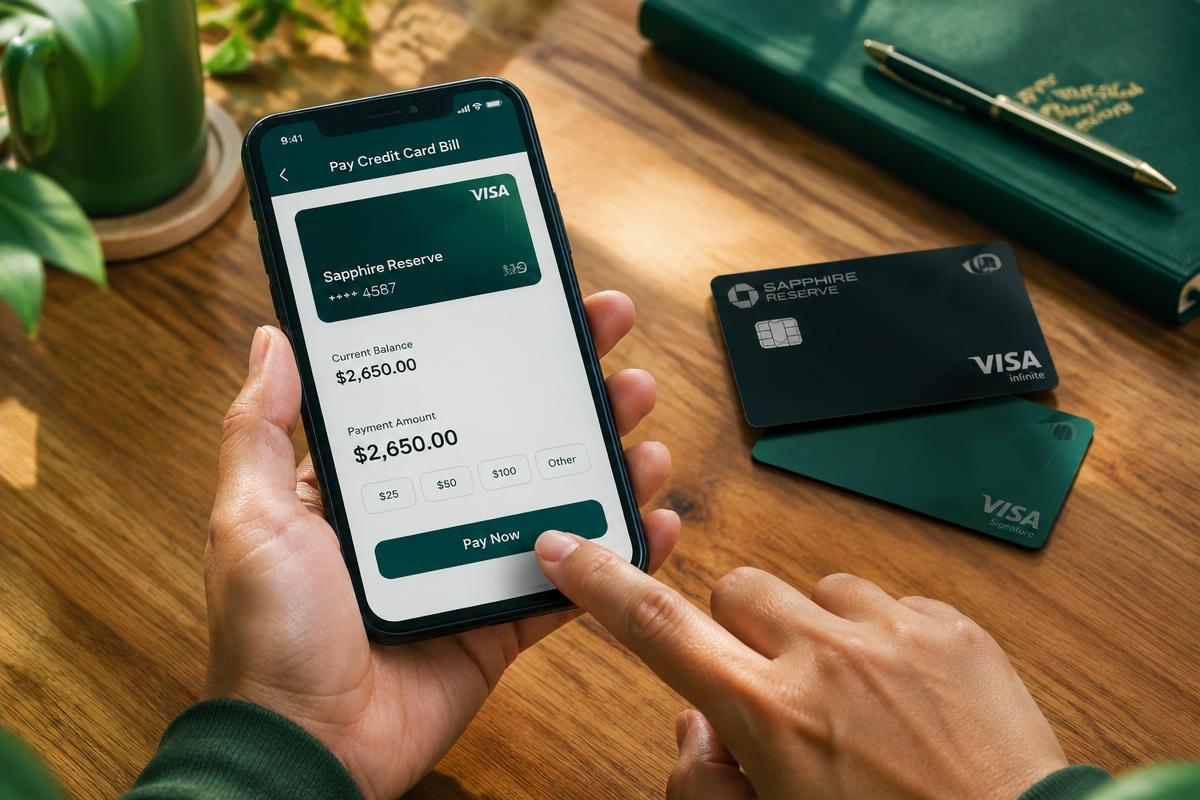
Almost every avoidable credit card charge in India traces back to one misunderstanding: people think of the due date as a soft target, or they confuse the statement date with the due date. Once you understand how the dates on your statement fit together, most late fees and interest simply stop happening.
This guide walks through the statement date, the payment due date, the interest-free period and the short grace window that RBI rules give card holders. It uses simple examples instead of jargon, and it ends with a checklist you can apply to every card you hold.
The three dates on every credit card statement
Your card statement is built around three dates. The first is the statement date, sometimes called the billing date, which is the day your billing cycle closes and the bill is generated. Every transaction posted between the previous statement date and this one appears on the new bill.
The second is the payment due date. This is the last day to pay at least the minimum amount due without being treated as late. It usually falls a couple of weeks after the statement date; the exact gap is set by your issuer and is printed on every statement.
The third date is the one people forget: the date each transaction was made. Interest, when it applies, is generally calculated from the transaction date, not from the statement date or the due date. That is why revolving even a small balance can cost more than people expect.
- Statement date: the billing cycle closes and the bill is generated
- Payment due date: the deadline to pay without being marked late
- Transaction date: the date from which interest is usually counted if you revolve
How the interest-free period actually works
Card issuers often advertise an interest-free period of up to around fifty days. That number is the maximum, not a promise for every purchase. A purchase made on the first day of a billing cycle enjoys the whole cycle plus the time until the due date. A purchase made the day before the statement date only enjoys the time until the due date.
The interest-free period applies only when you pay the total amount due in full by the due date. If you pay less, most issuers withdraw the interest-free benefit for that cycle, and new purchases can also start attracting interest until the balance is cleared.
A simple example
Imagine your statement date is the 5th of every month and your due date is the 23rd. A purchase on the 6th of March appears on the 5th April statement and is due on the 23rd April, giving you well over forty days without interest. A purchase on the 4th of April appears on the same statement and has the same due date, but enjoys fewer than twenty days.
Why the timing of big purchases matters
If you plan a large planned expense, such as an appliance or school fees, making it just after your statement date gives you the longest window to arrange the full payment. This is legitimate budgeting, not a trick, and it works only if you actually pay in full.
The three-day window: what it protects and what it does not
Under the Reserve Bank of India's Master Direction on credit and debit cards, a payment is treated as past due, and late payment charges can be levied, only when the payment is overdue for more than three days after the due date. Card issuers are also required to report a card as past due to credit bureaus only after this three-day period.
This is a safety net for genuine delays, such as a transfer that takes longer than expected. It is not a second due date. Interest on any unpaid balance generally continues to be calculated as per your card terms, and relying on the window every month is a habit that eventually fails on a holiday or bank outage.
- Pay on or before the due date as a rule
- Treat the three-day window as protection for emergencies only
- Check the card's own terms for interest calculation, which can still apply
Can you change your billing cycle or due date?
RBI directions allow card holders to modify their billing cycle with their issuer, so the due date can line up with the date your salary or business income arrives. Ask your issuer through its official app, website or customer care for the options available on your card.
If you hold several cards, aligning their due dates close to your income date makes it far easier to pay everything in one sitting. This is one of the most common things we help customers in Indore organise.
Making sure your payment reaches on time
The date you send money and the date the issuer credits it are not always the same. Same-bank transfers and the issuer's own app usually credit quickly. Payments through other channels, including NEFT or cheques, can take longer, especially near weekends and bank holidays.
A practical routine
Set two reminders: one five days before the due date to check the amount, and one two days before to make the payment. Keep the payment reference and confirm that the outstanding amount has reduced in your issuer's app.
- Enable auto-debit for at least the minimum due as a backstop
- Prefer channels that credit the same day close to the due date
- Never wait for the last evening, as cut-off times vary
In summary
The due date is a hard deadline, the interest-free period depends on paying in full, and the three-day window is an emergency cushion rather than extra time. If you build your routine around those three facts, credit card bills become predictable.
If your due dates are scattered across the month and you find it difficult to keep track, our Indore team can help you lay them out in a single calendar and explain what each statement line means.
Frequently asked questions
Is there a grace period after the credit card due date in India?
RBI directions say late payment charges can be levied and the account reported as past due only when payment is overdue for more than three days after the due date. Interest as per your card terms may still apply, so treat the due date as the real deadline.
What is the difference between statement date and due date?
The statement date is when your billing cycle closes and the bill is generated. The due date is the last day to pay at least the minimum amount due without being treated as late.
Do I get the interest-free period if I pay only the minimum due?
Generally no. The interest-free period applies when the total amount due is paid in full by the due date. Paying less usually means interest applies on the balance and possibly on new purchases.
Can I change my credit card due date?
RBI directions allow card holders to modify their billing cycle with their issuer. Contact your issuer through official channels to see the options available on your card.
Helpful pages on this site
- Credit card assistanceCompare cards, check eligibility and get help with your application.
- All credit card & finance guidesBrowse every article on card bills, CIBIL, Gold Loan Closer and property.
- Talk to our Indore teamCall, WhatsApp or visit our Vijay Nagar office for a free consultation.
- About SR CREDIT CARDS SOLUTIONWho we are, how we work and what we can and cannot promise.
Official sources
About the author
SR Editorial Team · Credit card & finance desk
The editorial desk at SR CREDIT CARDS SOLUTION, Vijay Nagar, Indore, writing practical guidance drawn from everyday customer conversations.
Serving Indore, Madhya Pradesh.
This article provides general information only. Product approval, eligibility, rates and property decisions remain subject to the relevant institution, owner, and independent professional checks.
Related articles
Credit Cards
How to Avoid Credit Card Late Fees and Interest Charges
A step-by-step routine for never paying a late fee again, and an honest plan for the months when paying in full is not possible.
Read articleCredit Cards
Credit Card Bill Payment in Indore: A Complete, Practical Guide
Every payment route for a credit card bill, what each one costs you in time and money, and how to avoid the minimum-due trap.
Read articleCredit Cards
RBI Credit Card Billing Rules: Your Rights Explained
A plain-language summary of the RBI directions that protect you on billing, charges, closure and complaints, and how to use them.
Read article