
Credit Cards · CIBIL Score
Improve Your CIBIL Score by Paying Card Bills on Time
What actually moves your credit score, why on-time card payments matter so much, and how to check and correct your credit report.
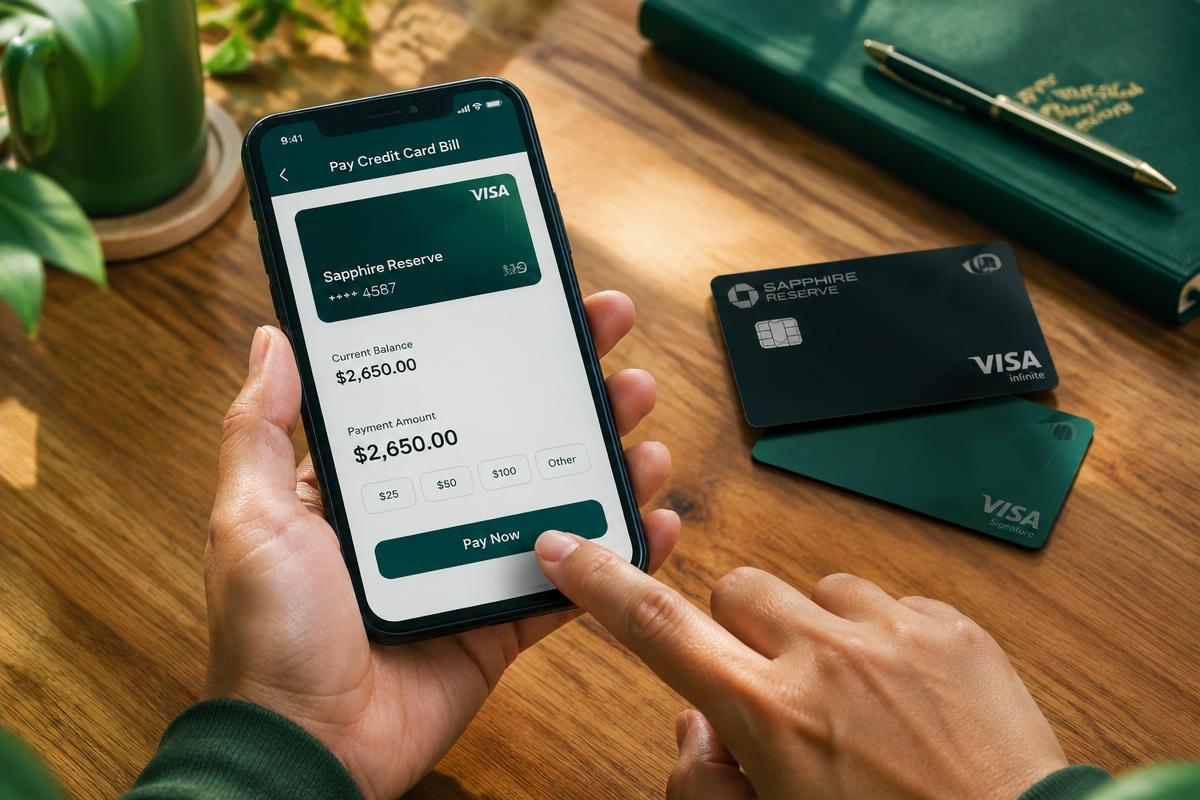
Your credit score is one of the first things a bank looks at when you apply for a loan or a new card. For most people with a credit card, the single biggest influence on that score is how consistently they pay their card bills.
This guide explains, in plain terms, how credit card behaviour feeds into your CIBIL score and the reports of other credit bureaus, which habits help, which ones hurt, and how to check your report for errors. It does not promise any particular score or timeline, because no honest advisor can.
What a credit score is and who calculates it
A credit score is a three-digit number that summarises your credit history. In India, credit information companies such as TransUnion CIBIL collect data from banks and lenders and produce credit reports and scores. A higher score generally indicates lower risk to lenders.
The score is calculated from your credit report, so the report is what really matters. It lists your loans and cards, their limits and balances, your payment record and recent enquiries made when you applied for credit.
The credit card factors that affect your score
Bureaus do not publish exact formulas, but the broad factors are well known.
Payment history
Paying at least the minimum due on time, every month, is the foundation of a good score. Payments that are past due can be reported to bureaus, and these entries can remain on your report for a long time. RBI directions say issuers should report a card as past due only when it is overdue for more than three days after the due date.
Credit utilisation
Utilisation is the share of your total credit limit that you are using. Consistently using a large part of your limit can be seen as a sign of stress. Many people aim to keep utilisation well below their limit, and paying in full each month helps keep it low.
Credit mix and age
A longer history of well-managed accounts generally helps. Closing your oldest card without a reason can shorten your history, so think before you close it.
Enquiries
Each time you apply for a loan or card, the lender may make an enquiry. Several applications in a short period can be viewed negatively. Apply only when you have checked your eligibility and genuinely need the product.
Simple habits that build a stronger profile
None of these habits needs a special service. They just need consistency.
- Set up auto-debit for at least the minimum amount due on every card
- Pay the total amount due whenever possible to keep utilisation low
- Spread large purchases across the cycle or plan them right after the statement date
- Avoid applying for several cards or loans at once
- Keep older cards active with small, regularly repaid transactions
- Check your credit report periodically
If you have already missed a payment
A missed payment is not the end of your credit profile. Bring the account up to date as soon as possible, then make every following payment on time. Over time, a long run of on-time payments weighs in your favour.
Be cautious of anyone who promises to remove accurate negative entries for a fee or to raise your score quickly. Accurate information cannot be erased on request; only genuine errors can be corrected, and you can request that correction yourself for free through the bureau.
Common myths about credit scores
Many beliefs about credit scores are only partly true. Checking your own report, for example, is generally treated as a soft enquiry and does not count against you the way a lender's enquiry for a new application can.
Another common myth is that carrying a small balance from month to month helps your score. It does not: paying the total amount due in full shows the same on-time behaviour and saves you interest. Similarly, having no credit history at all is not the same as having a good one, because lenders have nothing to judge you by.
Finally, income does not appear in your credit report. A high salary does not raise your score by itself; what counts is how you have handled the credit you were given.
- Checking your own report does not hurt your score
- Revolving a balance does not help your score
- No history is not the same as a good history
How to check and correct your credit report
RBI requires credit information companies to provide individuals with one free full credit report every year, and you can request it from each bureau directly through its official website. Read the account list carefully: every card and loan should be yours, the limits and balances should look right, and payment entries should match your records.
If something is wrong, raise a dispute with the bureau through its official process and keep a copy of your supporting documents, such as payment receipts or a no-dues certificate. You can also contact the lender that reported the information.
In summary
On-time payments, low utilisation and careful applications are the three habits that matter most for your credit card's effect on your score. They are free, they are within your control, and they compound over time.
If you are planning to apply for a card or loan and want to understand where you stand, our team can explain your statements and documents and help you prepare, while the credit decision always stays with the bank.
Frequently asked questions
Does paying my credit card bill on time improve my CIBIL score?
Consistent on-time payments are one of the most important positive factors in your credit history. Results vary from person to person, and no one can promise a specific score.
Does paying only the minimum due hurt my score?
Paying the minimum on time avoids a late payment entry, but carrying a large balance keeps your utilisation high, which can weigh on your score. Paying in full is better for both cost and utilisation.
How often should I check my credit report?
Checking at least once a year, and before any major loan application, is a good habit. Bureaus provide one free full report a year to individuals.
Can anyone remove a late payment from my report for a fee?
Accurate entries cannot be removed on request. Genuine errors can be disputed directly with the credit bureau free of charge. Be wary of anyone promising quick score fixes.
Helpful pages on this site
- Credit card assistanceCompare cards, check eligibility and get help with your application.
- All credit card & finance guidesBrowse every article on card bills, CIBIL, Gold Loan Closer and property.
- Talk to our Indore teamCall, WhatsApp or visit our Vijay Nagar office for a free consultation.
- About SR CREDIT CARDS SOLUTIONWho we are, how we work and what we can and cannot promise.
Official sources
About the author
SR Editorial Team · Credit card & finance desk
The editorial desk at SR CREDIT CARDS SOLUTION, Vijay Nagar, Indore, writing practical guidance drawn from everyday customer conversations.
Serving Indore, Madhya Pradesh.
This article provides general information only. Product approval, eligibility, rates and property decisions remain subject to the relevant institution, owner, and independent professional checks.
Related articles

Credit Cards
Credit Card Application Checklist: Improve Your Approval Readiness
Understand the information issuers review, and prepare the documents that make an application straightforward.
Read articleCredit Cards
How to Avoid Credit Card Late Fees and Interest Charges
A step-by-step routine for never paying a late fee again, and an honest plan for the months when paying in full is not possible.
Read articleCredit Cards
Credit Card Due Date and Grace Period Explained
The three dates on every card statement, how the interest-free period is actually calculated, and what the RBI's three-day window does and does not protect.
Read article